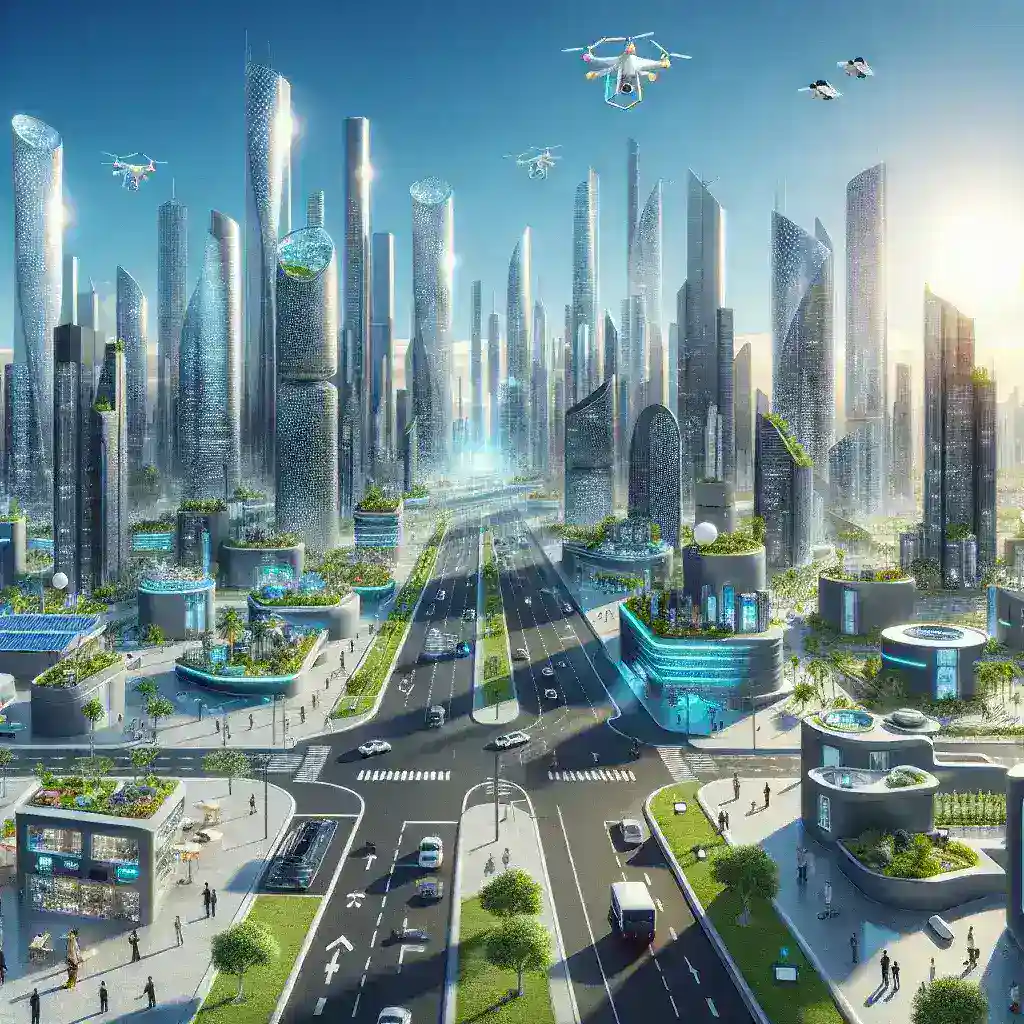
The Future of Smart Cities
As urban populations continue to grow, the concept of smart cities emerges as a solution to improve the quality of life in metropolitan areas. Leveraging technology, data, and connectivity, smart cities aim to create environments that are not only efficient but also sustainable and livable.
What are Smart Cities?
Smart cities utilize digital technology to enhance performance across various urban functions, including transportation, public safety, energy management, and citizen engagement. The integration of Internet of Things (IoT) devices and advanced data analytics plays a critical role in this transformation.
Key Characteristics of Smart Cities
- Connectivity: High-speed internet and wireless networks enable seamless communication between devices and systems.
- Sustainability: Smart cities promote eco-friendly initiatives such as renewable energy sources, efficient waste management, and green building practices.
- Data-Driven Decision Making: A vast range of data collected from citizens and infrastructure allows policymakers to make informed decisions.
- Enhanced Public Services: Services like transportation, healthcare, and public safety are improved through the use of smart technologies.
- Citizen Engagement: Smart city initiatives often include public input, allowing residents to voice their concerns and contribute to urban planning.
Technologies Driving Smart Cities
Several key technologies fuel the development of smart cities:
- Internet of Things (IoT): Sensors and devices connected to the internet collect and share data, making it easier to monitor and manage urban infrastructure.
- Artificial Intelligence (AI): AI algorithms analyze large datasets to predict trends and optimize services, improving efficiency in city management.
- Big Data Analytics: Information gathered from various sources is processed to uncover insights that inform better city planning and governance.
- Smart Grids: These electrical grids integrate renewable resources, optimizing energy usage and reducing outages.
Challenges Facing Smart Cities
Despite their potential, smart cities also face several challenges:
- Data Privacy: With vast amounts of data being collected, ensuring the privacy and security of citizen information is paramount.
- Infrastructure Costs: The initial investment for smart city technologies can be significant, although long-term savings may offset these costs.
- Interoperability: Ensuring different technologies and systems can work together is critical for effective implementation.
- Equity and Access: It’s essential to ensure all citizens benefit from smart city initiatives, avoiding a digital divide.
The Path Forward
As we look to the future, the potential for smart cities to reshape urban living is immense. Collaborations between governments, private companies, and communities will be crucial in overcoming challenges and harnessing the full capabilities of technology. By prioritizing sustainability, citizen engagement, and innovation, smart cities can lead to a better quality of life for all residents.
In conclusion, the future of smart cities promises to deliver improved urban environments that are efficient, sustainable, and responsive to the needs of their inhabitants. With the right investments and a commitment to inclusivity, smart cities can become the cornerstone of modern urban living.