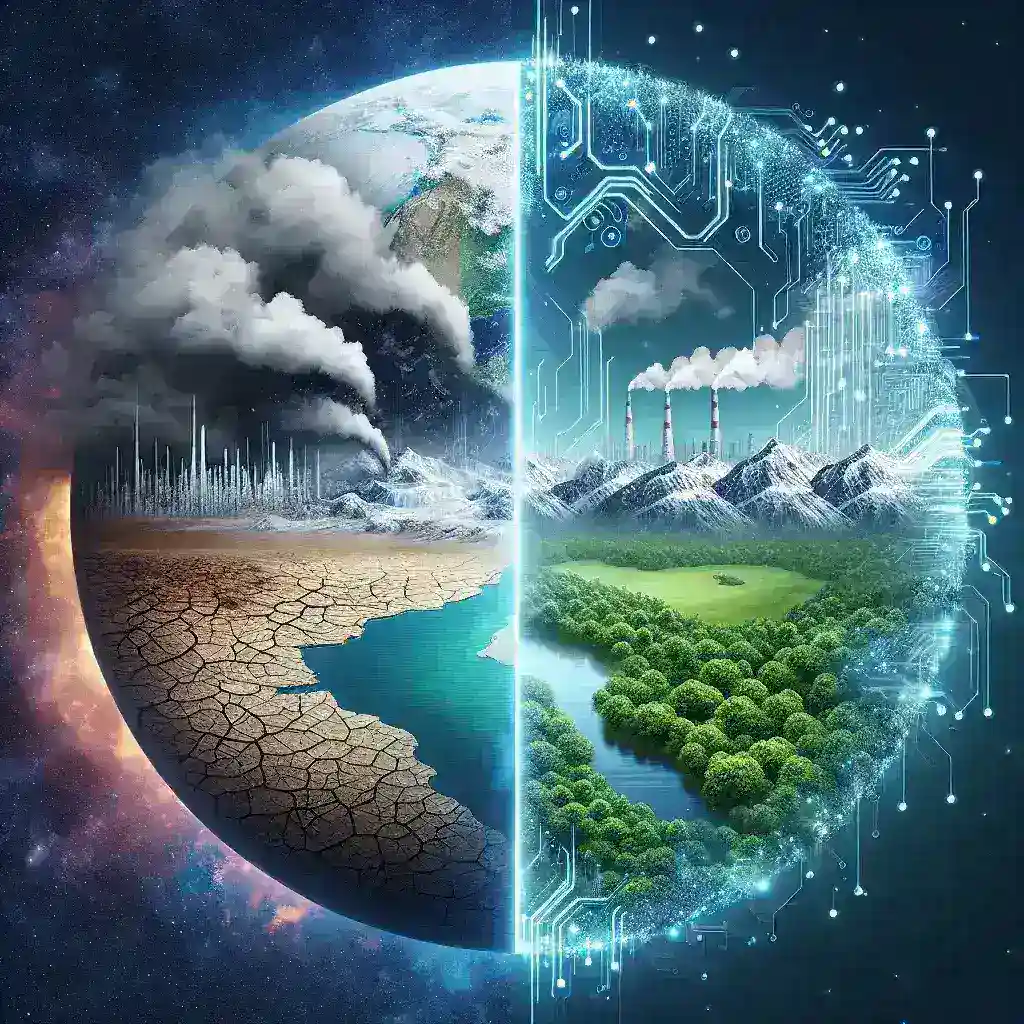
Understanding the Role of AI in Addressing Climate Change
Climate change is one of the most pressing issues facing humanity today. The rise in global temperatures, extreme weather events, and shifting ecosystems pose significant challenges. Artificial Intelligence (AI) has emerged as a powerful tool in combating these challenges by offering innovative solutions that enhance our ability to understand and mitigate the effects of climate change.
Innovative Applications of AI
AI is making waves across various sectors when it comes to tackling climate change. Here are some key applications:
- Predictive Analytics: AI models analyze vast datasets to predict future climate patterns, enabling better planning and response strategies.
- Resource Management: AI optimizes the use of natural resources, helping to reduce waste and improve efficiency in sectors like agriculture, energy, and water management.
- Climate Monitoring: AI-powered satellites and drones are used to monitor environmental changes, offering real-time data that is crucial for understanding climate impacts.
- Carbon Footprint Reduction: AI algorithms assist companies in minimizing their carbon footprints by optimizing supply chains and identifying sustainable practices.
AI in Renewable Energy
One of the most significant applications of AI in the context of climate change is its integration with renewable energy sources. Here’s how:
- Smart Grids: AI enhances the efficiency of smart grids by predicting energy demand and optimizing energy distribution, thus maximizing the use of renewable energy sources.
- Optimization of Energy Storage: AI helps in managing energy storage systems, ensuring that excess energy from renewable sources is efficiently stored and utilized when needed.
- Wind and Solar Forecasting: Machine learning models predict wind and solar energy production, allowing for better integration of these resources into the energy mix.
AI-Driven Climate Research
AI is also revolutionizing climate research by enabling scientists to analyze large datasets that would be impossible to process manually. This can lead to:
- Improved Climate Models: AI utilizes data from various sources (such as ocean temperatures, atmospheric CO2 levels, etc.) to refine and enhance climate models.
- Identifying Patterns: AI can detect patterns in climate data over time, which is essential for understanding long-term trends and changes.
- Scenario Simulations: Researchers use AI to run simulations of different climate scenarios, helping policymakers understand potential outcomes and make informed decisions.
Challenges and Considerations
While the integration of AI in combating climate change presents numerous opportunities, there are also challenges to consider:
- Data Privacy: With AI relying on vast datasets, data privacy and ethical considerations must be prioritized.
- Energy Consumption: The computational power required for AI systems can result in significant energy consumption, necessitating a focus on using renewable energy sources to power AI technologies.
- Equity: Ensuring equitable access to AI solutions is crucial so that developing countries also benefit from this technology.
The Future of AI in Climate Change Mitigation
The future of AI in mitigating climate change looks promising. As technology evolves, we will likely see even more sophisticated AI applications that can lead to substantial climate solutions. Collaboration between governments, businesses, and research institutions will be essential in maximizing the potential of AI to create a sustainable future.
Conclusion
In conclusion, AI not only holds the potential to enhance our understanding of climate change but also offers tangible solutions that can contribute to mitigating its effects. By leveraging AI technologies, we can develop a more resilient and sustainable approach to environmental challenges.