Introduction
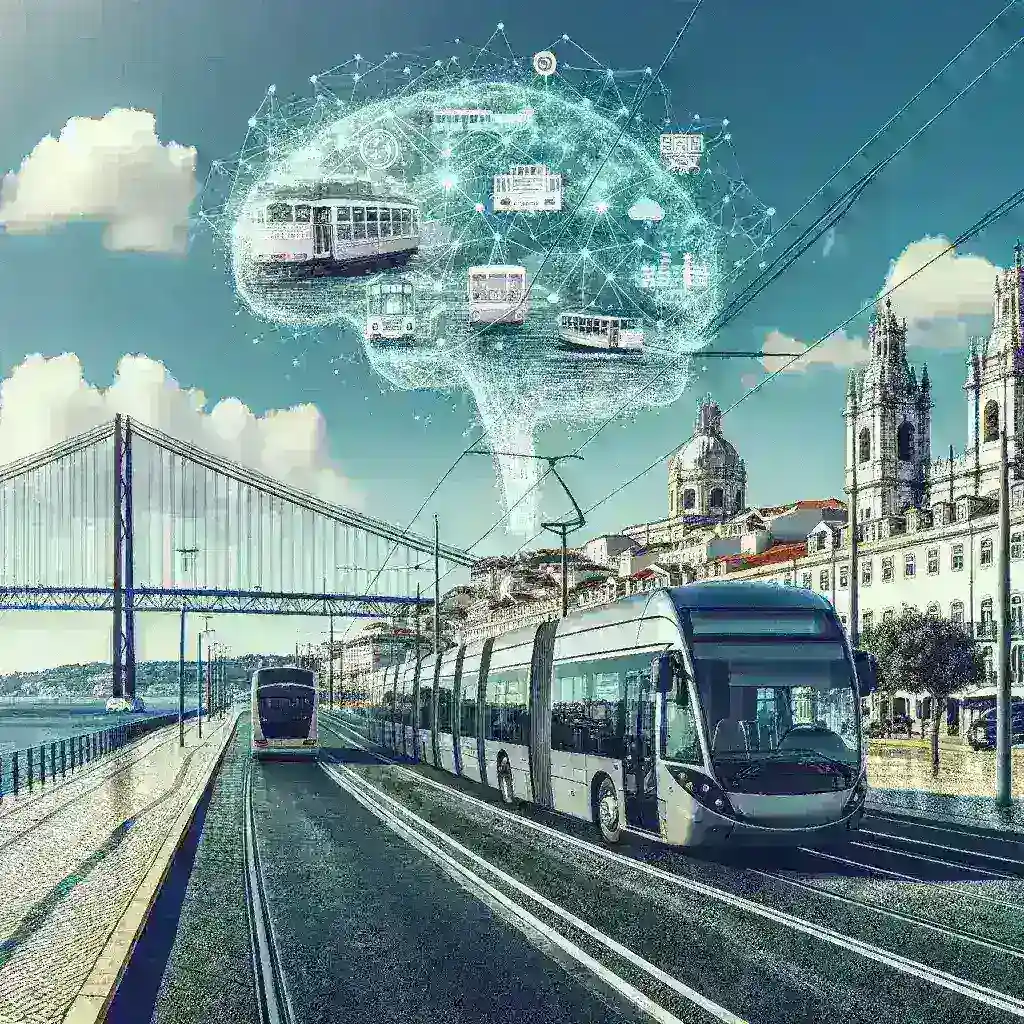
In the age of rapid technological advancement, cities around the globe are embracing smart solutions to enhance their public services. Lisbon, the vibrant capital of Portugal, is at the forefront of this movement, pioneering the integration of edge intelligence in its public transportation system. This article explores how edge intelligence is reshaping Lisbon’s public transport landscape, enhancing efficiency, safety, and user experience.
What is Edge Intelligence?
Edge intelligence refers to the processing of data closer to the source of data generation rather than relying on centralized cloud computing. This technology enables real-time analysis and decision-making, reducing latency and bandwidth use. In the context of public transportation, edge intelligence allows for faster data processing, improved responsiveness, and the ability to adapt to changing conditions on the ground.
The Evolution of Public Transportation in Lisbon
Public transportation in Lisbon has a rich history, evolving from horse-drawn carriages in the 19th century to a modern network that includes buses, trams, and the metro system. Over the years, the city has faced challenges such as congestion, pollution, and the need for efficient transit solutions. As Lisbon continues to grow, the demand for an intelligent, responsive transit system has never been more critical.
Benefits of Edge Intelligence in Lisbon’s Public Transportation
1. Real-Time Data Processing
Edge intelligence allows for real-time data collection and processing, enabling transport operators to make quick adjustments based on current conditions. For example, public transport systems can respond to traffic delays, accidents, or changes in passenger volume, ensuring that services remain efficient and timely.
2. Enhanced Safety Measures
With the integration of edge intelligence, safety is significantly improved. Cameras and sensors installed on vehicles can analyze their surroundings and detect potential hazards. This capability allows for immediate alerts to drivers and central systems, reducing the likelihood of accidents.
3. Improved User Experience
Passengers benefit from enhanced user experiences through better information dissemination. Real-time updates regarding arrival times, delays, and service changes can be provided via mobile apps or digital displays. This transparency keeps commuters informed and reduces frustration.
4. Efficient Resource Management
Edge intelligence facilitates smarter resource allocation. By analyzing data on passenger flows and service usage, transit authorities can optimize routes, schedules, and vehicle deployment, ultimately saving time and reducing operational costs.
5. Sustainability and Environmental Impact
With smarter operations comes a reduced environmental footprint. By optimizing routes and schedules, edge intelligence contributes to lower emissions and less fuel consumption. Lisbon’s commitment to sustainability is further advanced with these technology-driven solutions.
Challenges Facing Edge Intelligence Implementation
1. Infrastructure Costs
Implementing edge intelligence requires significant investment in infrastructure, including sensors, cameras, and communication networks. Although these costs can be justified by long-term savings, they present an initial barrier for city planners.
2. Data Privacy Concerns
With the increased reliance on data comes the responsibility of safeguarding it. Protecting passenger privacy while still gathering necessary data for operational efficiency is a delicate balance that must be maintained.
3. Integration with Legacy Systems
Many public transport systems still operate on older technologies that may not easily integrate with edge intelligence solutions. This challenge requires careful planning and a phased approach to modernization.
Future Predictions for Edge Intelligence in Lisbon
As Lisbon continues to develop its edge intelligence capabilities, several trends are likely to emerge:
- Increased Investment: The city is likely to see continued investment in smart technologies as they offer long-term operational efficiencies.
- Expansion of Smart Services: More services, such as on-demand public transport, may emerge as data analytics provide insights into commuter needs.
- Collaboration with Private Sector: Partnerships between public transport authorities and technology companies could accelerate innovation and implementation.
- Focus on Resilience: Future developments will prioritize building resilience against unforeseen events, such as natural disasters or pandemics.
Case Studies: Edge Intelligence in Action
Several cities around the world have successfully implemented edge intelligence in their public transport systems. For example, Barcelona has utilized edge computing to enhance its metro services, reducing waiting times and increasing safety through smart surveillance. Similarly, Singapore has integrated edge intelligence to optimize bus routes and improve overall service reliability, setting a benchmark for other cities, including Lisbon.
Conclusion
Edge intelligence is revolutionizing public transportation in Lisbon, offering numerous benefits such as real-time data processing, enhanced safety, and improved user experience. While challenges remain in terms of costs and data privacy, the potential for a smarter, more efficient public transit system is immense. As Lisbon continues to embrace these innovations, it sets a precedent for other cities aiming to modernize their transport networks.
Get Involved
As a resident or visitor in Lisbon, your feedback and participation in public transportation initiatives can drive the success of edge intelligence. Engaging with local authorities and sharing your experiences can contribute to a more efficient and user-friendly transit system for everyone.