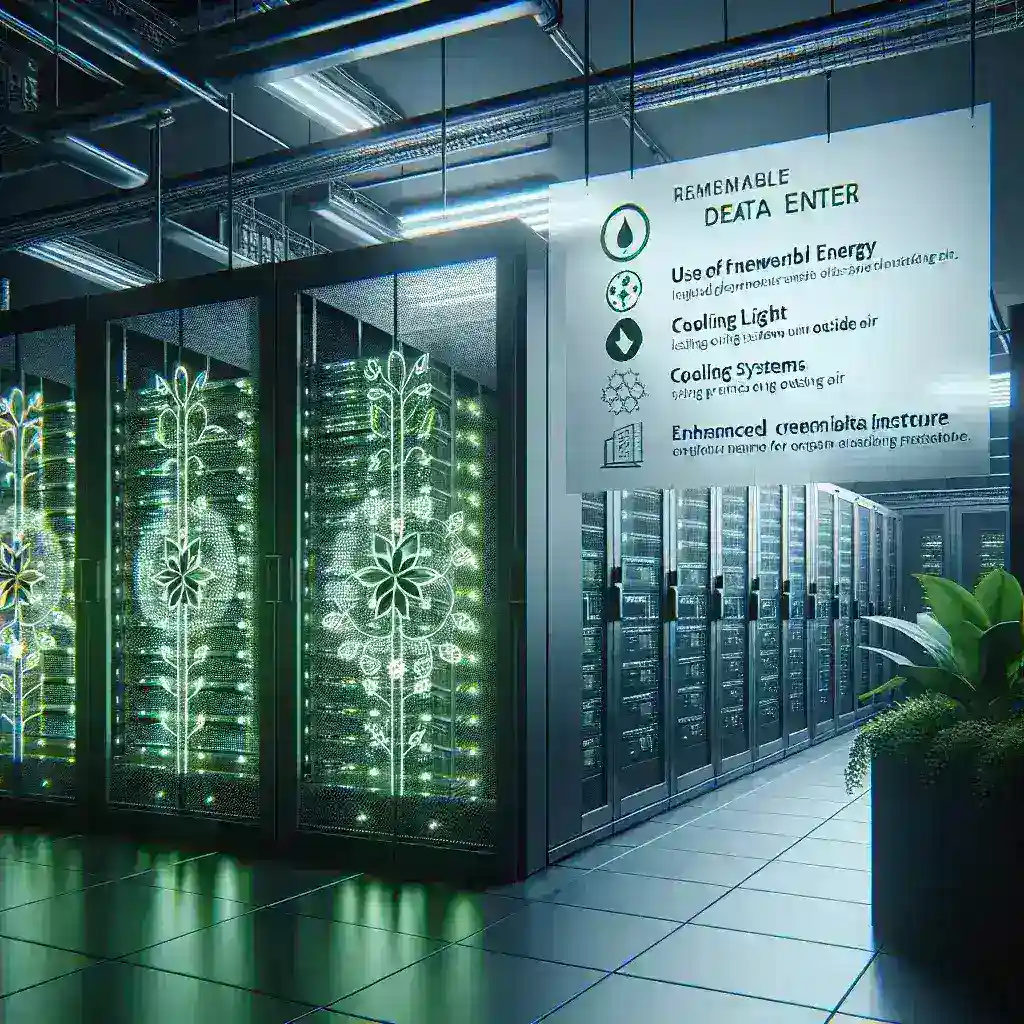
In recent years, the concept of green data centers has gained significant traction within the technology and environmental sectors. As organizations increasingly recognize the importance of sustainability, these data centers aim to minimize their environmental impact while maintaining optimal performance. This article delves into the latest trends in green data centers, showcasing how they are evolving and contributing to a more sustainable future.
1. Energy Efficiency Innovations
Energy efficiency remains a cornerstone of green data center initiatives. Organizations are now adopting advanced technologies such as:
- High-Efficiency Cooling Systems: Traditional cooling methods are being replaced by innovative solutions like liquid cooling and free-air cooling, which significantly reduce energy usage.
- Energy-Saving Hardware: Servers and storage systems designed with energy efficiency in mind help lower overall power consumption.
- Renewable Energy Sources: Many data centers are transitioning to renewable energy sources, such as solar and wind, to power their operations sustainably.
2. Sustainable Practices
Beyond technology, sustainable practices play a vital role in green data centers. Trends in this area include:
- Waste Reduction: Data centers are focusing on minimizing electronic waste by reusing and recycling old hardware and components.
- Water Conservation: Implementing water-efficient cooling systems and monitoring water usage helps preserve this vital resource.
- Carbon Offset Programs: Many organizations are investing in carbon offset programs to compensate for their environmental impact and promote sustainability.
3. Modular Data Center Designs
Modular data centers offer flexibility, scalability, and energy efficiency. The trend towards modular designs helps organizations:
- Customize Capacity: Modular systems make it easier for companies to scale their data center operations according to demand.
- Reduce Time to Deployment: These systems can be rapidly deployed, reducing the time required to set up new data center operations.
- Enhance Energy Efficiency: Well-designed modular systems often feature energy-efficient components and practices from the outset.
4. Artificial Intelligence and Automation
Artificial Intelligence (AI) and automation are revolutionizing data center operations. Key trends include:
- Predictive Maintenance: AI-powered analytics help predict equipment failures before they occur, which minimizes downtime and energy consumption.
- Smart Energy Management: Automated energy management systems optimize power consumption in real-time, ensuring that data centers operate at peak efficiency.
5. Certification and Standards
Many organizations are pursuing certifications to showcase their commitment to sustainability. Notable frameworks include:
- LEED Certification: The Leadership in Energy and Environmental Design (LEED) certification recognizes buildings that meet strict environmental standards.
- Energy Star Certification: This certification is awarded to data centers that demonstrate superior energy performance.
Conclusion
The trends in green data centers highlight the industry’s commitment to sustainability and innovation. As technology advances and organizations prioritize environmental responsibility, the future of data centers will increasingly focus on energy efficiency, sustainable practices, and cutting-edge solutions. This evolving landscape not only benefits the environment but also promotes long-term operational savings for businesses around the world.