Introduction
The landscape of personal computing is rapidly evolving, spurred on by technological advancements and changing consumer needs. Among these advancements, the rise of budget-focused modular laptops has begun to capture significant attention. This relatively new concept could potentially disrupt the cordless PC industry, paving the way for a more flexible, affordable, and sustainable computing future.
Understanding Modular Laptops
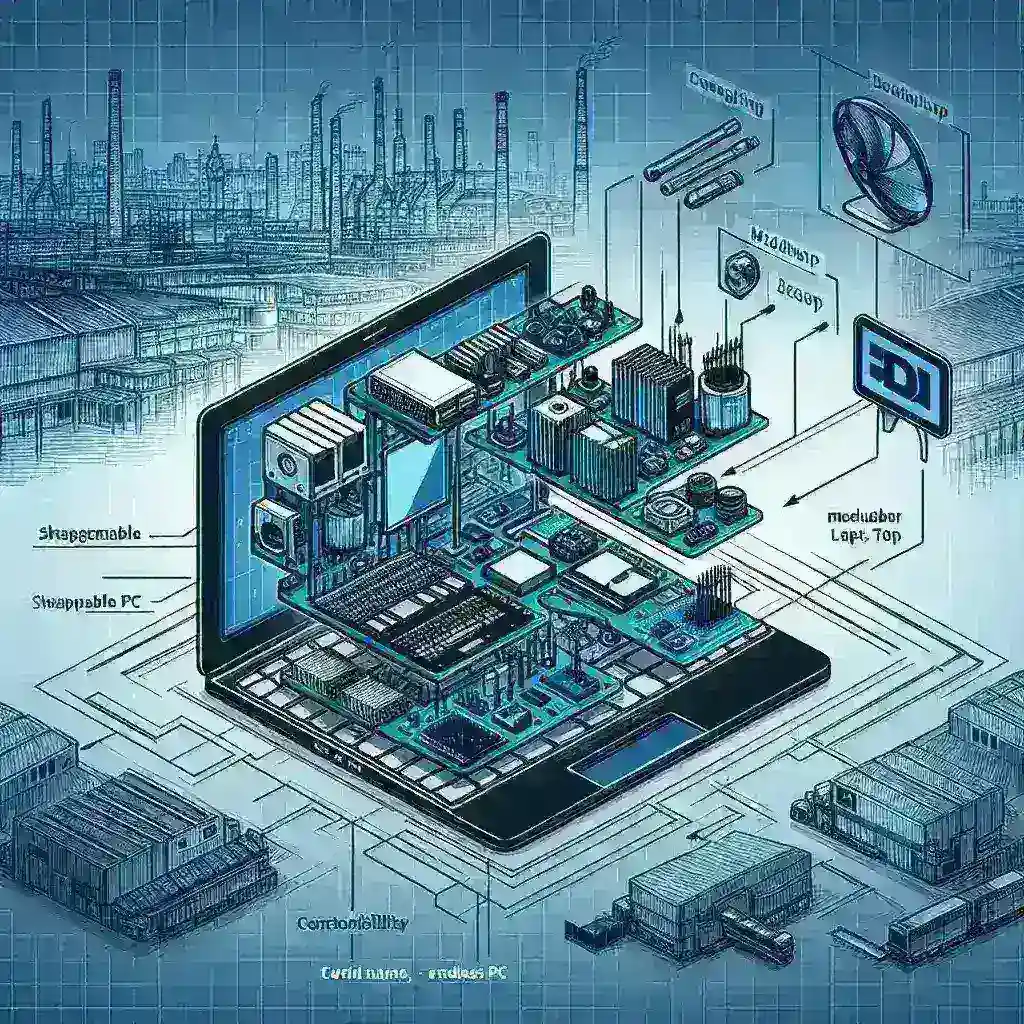
Before diving into the implications of budget-focused modular laptops, it’s essential to understand what modular laptops are. These devices are designed with interchangeable parts, allowing users to upgrade or replace components like memory, storage, and even processors without purchasing an entirely new device. This modularity not only extends the lifespan of the laptop but also caters to users’ evolving needs.
The Historical Context
Modular technology isn’t entirely new. The concept has roots in the development of desktop PCs, where components could easily be swapped and upgraded. However, the transition to laptops has been gradual due to design constraints and market preferences for sleek, compact devices. The introduction of modular laptops offers a solution to the rigidity that has characterized traditional laptop design.
Why Budget Matters
The Growing Demand for Affordable Solutions
In recent years, there has been a marked shift towards budget-friendly technology. According to industry reports, approximately 60% of consumers prioritize affordability when purchasing electronics. This trend is particularly pronounced among students and remote workers who seek cost-effective alternatives to high-priced devices. Budget-focused modular laptops cater to this demand, offering high functionality at a fraction of the cost.
Cost-Effectiveness of Modular Laptops
One of the primary advantages of modular laptops is their cost-effectiveness. By allowing users to upgrade specific components instead of replacing the entire machine, these laptops can save users significant amounts of money over time. For instance, if a user needs more storage, they can simply purchase a new hard drive instead of a brand-new laptop. This approach is not only economical but also environmentally friendly, reducing electronic waste.
The Technological Edge
Innovation in Design
Budget-focused modular laptops are often designed with innovation at their core. They leverage advancements in technology to create lightweight, powerful devices that don’t compromise on performance. With features such as improved battery life, faster processors, and high-resolution displays becoming standard, these laptops challenge the perception that budget devices must sacrifice quality.
Customization and User Empowerment
Another critical aspect of modular laptops is user empowerment. Consumers now have the option to customize their devices according to their preferences and requirements. This personalization factor could foster a deeper connection between users and their devices, thus enhancing the overall user experience.
Potential Disruption of the Cordless PC Industry
Market Impact
The introduction of budget-focused modular laptops could disrupt the cordless PC industry in several key ways:
- Price Competitiveness: As modular laptops gain popularity, traditional cordless PC manufacturers may need to reevaluate their pricing strategies to remain competitive.
- Consumer Preferences: With an increasing number of consumers valuing flexibility and affordability, the demand for modular devices may lead to a decline in traditional laptop sales.
- Innovation Pressure: The rise of modular laptops will encourage manufacturers in the cordless PC industry to innovate, potentially leading to new features and technologies.
Challenges Ahead
While the potential for disruption is significant, several challenges must be addressed:
- Consumer Education: Many consumers may not fully understand the benefits of modular laptops, necessitating effective marketing and educational campaigns.
- Standardization Issues: For modular laptops to succeed, a level of standardization among components is essential, which may face resistance from established manufacturers.
- Initial Resistance: Traditionalists who prefer conventional designs may be slow to adopt modular technology.
Future Predictions
Trends to Watch
The future of budget-focused modular laptops looks promising. As more brands enter the market, we can expect several trends to emerge:
- Increased Accessibility: With competition comes lower prices and increased accessibility, making modular laptops an attractive option for a broader audience.
- Enhanced Features: Manufacturers will likely invest in research and development to enhance the features and performance of modular laptops.
- Sustainable Practices: As environmental concerns grow, modular laptops will position themselves as a sustainable alternative to traditional devices.
Conclusion
Budget-focused modular laptops represent a significant shift in the personal computing landscape. By combining affordability with flexibility and innovation, they offer a compelling alternative to traditional cordless PCs. The potential disruption they pose to the industry could lead to a future where technology is more accessible, sustainable, and user-centric. As consumers continue to seek cost-effective solutions, the rise of modular laptops may very well redefine what it means to be a personal computer.